
Distribution
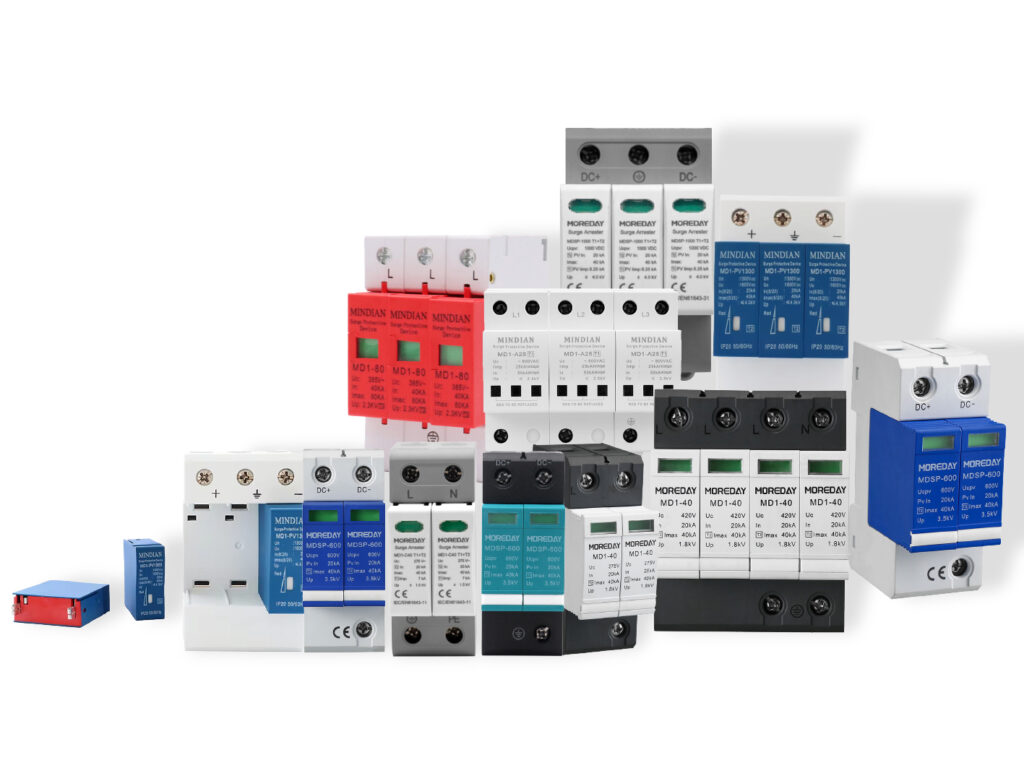
Electrical systems today are increasingly sensitive to voltage disturbances. Whether in solar photovoltaic systems, industrial equipment, or building power distribution networks, surge protection devices (SPDs) play a critical role in protecting equipment from damage caused by transient overvoltages.
Lightning strikes, switching operations, and grid disturbances can all generate electrical surges that last only microseconds but carry extremely high energy. Without proper surge protection, these spikes can damage inverters, power supplies, controllers, and communication devices.
Understanding what an SPD is and how to choose the right surge protection device is therefore essential for system designers, installers, and facility operators.
What Is an SPD?
A surge protection device (SPD) is an electrical protection component designed to limit transient overvoltage by diverting surge current safely to ground.
When a voltage spike occurs in the power system, the SPD responds almost instantly. It creates a low-impedance path to ground, allowing the surge current to bypass sensitive equipment. After the surge passes, the device returns to its normal high-impedance state, allowing the electrical system to continue operating normally.
SPDs are widely used in:
Power distribution panels
Industrial automation equipment
Communication networks
Building electrical infrastructure
By preventing excessive voltage from reaching critical equipment, SPDs significantly reduce the risk of equipment failure, downtime, and fire hazards.
Why Surge Protection Is Important
Electrical surges can originate from multiple sources, and they often occur unexpectedly.
Lightning Strikes
Direct or nearby lightning strikes can induce extremely high surge voltages in electrical circuits. Solar installations and outdoor equipment are particularly exposed to this risk.
Switching Operations
When large electrical loads are switched on or off, transient voltage spikes can occur in the power network.
Grid Disturbances
Power grid fluctuations, short circuits, and fault conditions can also create surges that propagate through connected equipment.
Even though these events may last only microseconds, they can damage sensitive electronics immediately. Modern systems such as solar inverters, PLC controllers, and communication modules are especially vulnerable.
This is why surge protection devices are considered a standard safety component in modern electrical system design.
How Does a Surge Protection Device Work?
Most SPDs operate using components such as metal oxide varistors (MOVs), gas discharge tubes (GDTs), or transient voltage suppression diodes (TVS).
When the system voltage remains within the normal range, the SPD does not conduct electricity. However, when a surge occurs and the voltage exceeds the device’s threshold, the internal components become conductive.
This allows the surge current to be diverted to the grounding system rather than passing through connected equipment.
Once the surge disappears, the SPD automatically returns to its non-conductive state.
This rapid response—often within nanoseconds—makes SPDs highly effective in protecting electrical systems from transient overvoltage events.
Types of Surge Protection Devices
SPDs are typically classified according to international standards such as IEC 61643.
Type 1 SPD
Type 1 SPDs are designed to protect against direct lightning strikes. They are installed at the main service entrance or the point where power enters the building.
These devices can handle very high surge currents and are commonly used in facilities with external lightning protection systems.
Type 2 SPD
Type 2 SPDs protect against indirect lightning surges and switching transients. They are usually installed in distribution boards and electrical panels.
Type 2 SPDs are the most common type used in residential and commercial electrical systems.
Type 3 SPD
Type 3 SPDs provide fine protection for sensitive electronic equipment. They are installed close to the equipment they protect, such as computers or communication devices.
Often, Type 3 SPDs are used together with Type 2 protection in a coordinated surge protection strategy.
| SPD Type | Installation Location | Typical Application |
|---|---|---|
| Type 1 SPD | Main distribution board | Buildings with lightning protection systems |
| Type 2 SPD | Sub-distribution board | Electrical distribution panels |
| Type 3 SPD | Equipment protection | Sensitive electronic devices |
| DC SPD | Solar DC circuits | Solar PV systems |
Surge Protection in Solar PV Systems
Solar photovoltaic installations are particularly vulnerable to surge damage because many components are located outdoors and connected through long cable runs.
Typical locations where SPDs are installed in PV systems include:
- DC side of the solar array
- Combiner boxes
- Inverter input
- AC distribution panels
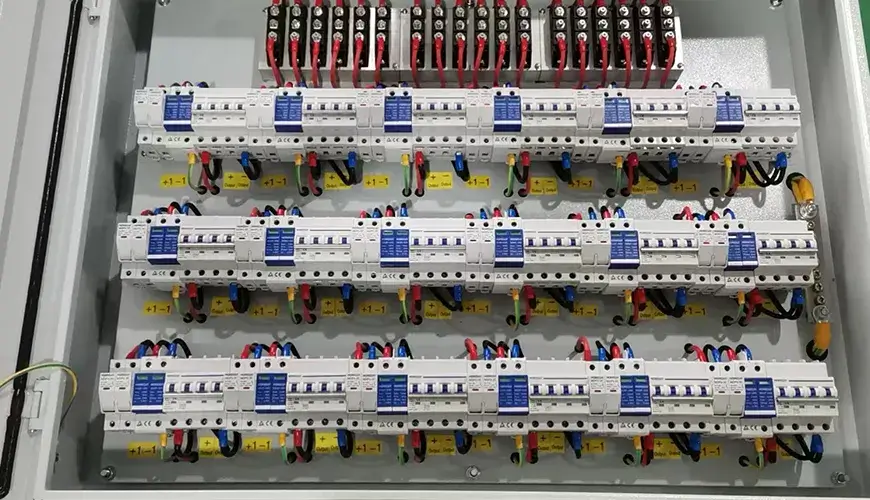
Installing SPDs at both the DC and AC sides of a solar system helps protect critical components such as inverters, monitoring systems, and batteries.
For large PV installations, surge protection is often required to comply with electrical safety standards and insurance requirements.
How to Choose the Right SPD
Selecting the correct surge protection device depends on several technical parameters.
System Voltage
The SPD must be compatible with the system’s nominal voltage. For example:
- 600V DC or 1000V DC, and 1500V DC for solar PV systems
- 230V / 400V AC for building power systems
Choosing an SPD with the wrong voltage rating can result in ineffective protection or premature failure.
Maximum Discharge Current
The maximum discharge current (Imax) indicates how much surge current the SPD can safely handle.
Higher values provide greater protection in areas with frequent lightning activity.
Nominal Discharge Current
The nominal discharge current (In) represents the typical surge current the SPD can withstand repeatedly without damage.
This parameter is important for long-term reliability.
Response Time
A faster response time allows the SPD to react more quickly to transient surges, reducing the amount of energy reaching the protected equipment.
Installation Location
Different SPD types should be installed at different points in the electrical system.
For example:
- Type 1 at the service entrance
- Type 2 in distribution boards
- Type 3 near sensitive equipment
A layered protection strategy ensures better overall system protection.
Best Practices for Installing SPDs
Proper installation is essential to ensure the effectiveness of surge protection.
Key recommendations include:
- Use short and straight grounding connections
- Install SPDs close to the equipment they protect
- Ensure proper coordination between SPD types
- Follow local electrical standards and manufacturer guidelines
Poor installation practices can reduce the performance of even the best surge protection devices.
Conclusion
Surge protection devices play a vital role in safeguarding electrical systems from transient overvoltages caused by lightning, switching operations, and grid disturbances.
By understanding what an SPD is and how surge protection works, engineers and installers can better protect sensitive equipment and reduce system downtime.
Selecting the right SPD requires careful consideration of system voltage, discharge current ratings, installation location, and the overall surge protection strategy.
With proper selection and installation, SPDs provide reliable protection for solar PV systems, industrial equipment, and modern electrical infrastructure.