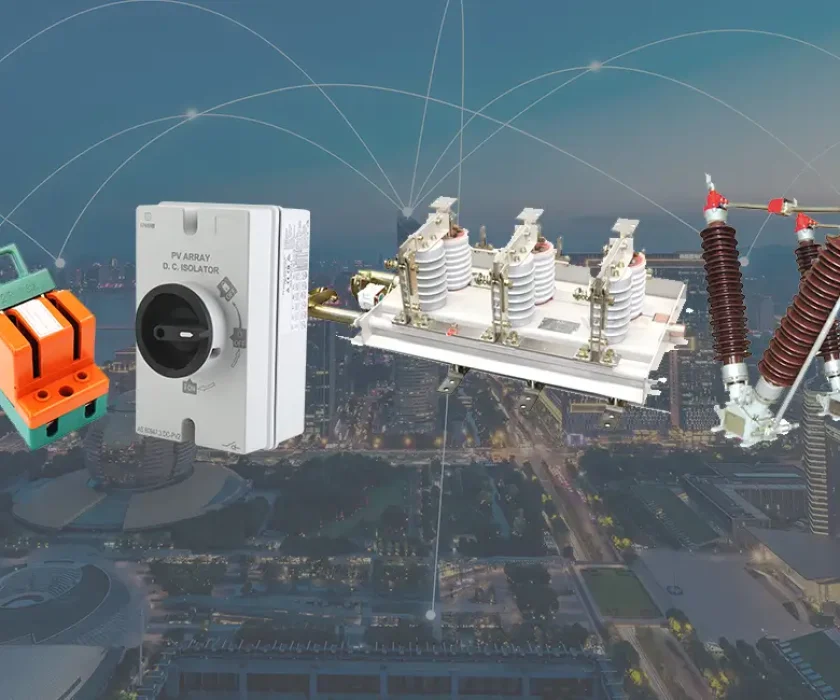

DistributionSolar
A DB Box, short for Distribution Board, is an electrical enclosure that receives incoming electrical power and distributes it to multiple outgoing circuits. It typically houses protective and switching devices such as MCBs, RCCBs, RCBOs, isolators, busbars, and other electrical components.
A DB Box is also commonly called an electrical distribution box, distribution board, or electrical distribution board, depending on the region and application.
In residential, commercial, and industrial electrical systems, a DB Box helps organize circuit distribution and provides a location for circuit protection and isolation.
In simple terms:
- DB stands for Distribution Board.
- A DB Box distributes electrical power to multiple circuits.
- Circuit breakers and other protective devices inside the box help protect individual circuits.
- DB Boxes can be designed for different phases, circuit capacities, installation environments, and applications.
If you are looking for a DB Box for a specific electrical project, the correct choice depends on factors such as the supply configuration, number of circuits, rated current, installation environment, enclosure protection, and applicable electrical standards.
What is a DB Box?
A DB Box is a distribution board enclosure used to divide an incoming electrical supply into multiple outgoing circuits while providing space for switching and circuit-protection devices.
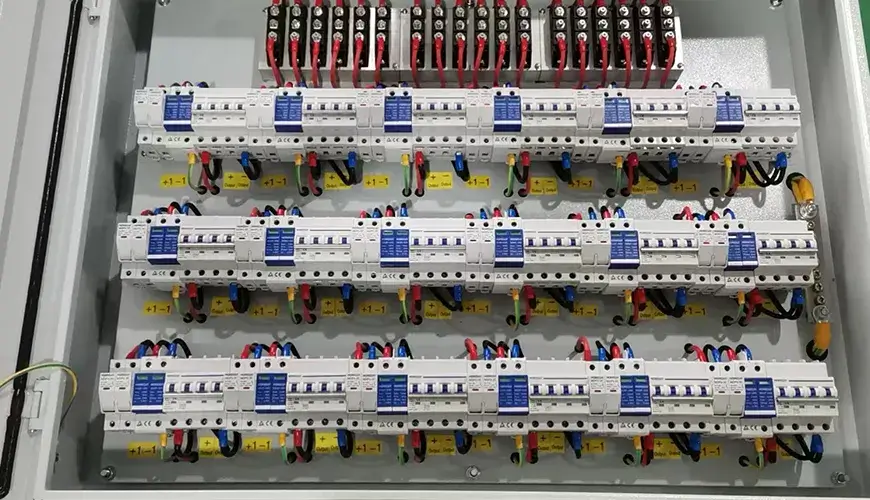
The incoming supply enters the distribution board and is connected to the appropriate main switching and protection equipment. Power is then distributed to individual circuits through devices such as miniature circuit breakers (MCBs), residual current devices (RCCBs), or RCBOs.
A typical DB Box may contain:
- Main switch or isolator
- MCBs
- RCCBs or RCBOs
- Fuses
- Busbars
- Neutral bar
- Earth bar
- Surge protection devices (SPDs), where required
- Cable terminals and internal wiring
- Enclosure and mounting components
The exact configuration depends on the electrical system and the requirements of the installation.
DB Box Wiring: Basic Layout and Components
A typical DB box receives incoming electrical power and distributes it to individual circuits through a main switch, busbars and protective devices. The exact wiring arrangement depends on the electrical system, phase configuration, local regulations and selected protective devices.
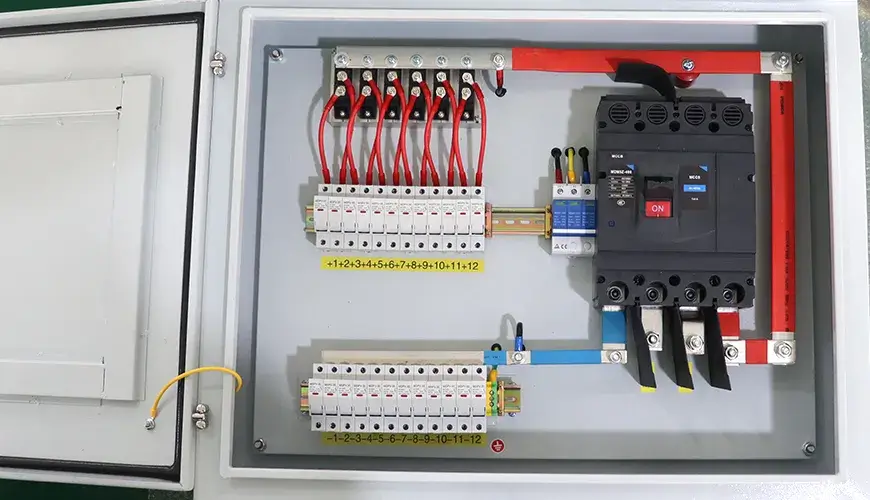
Installation and wiring should be designed and performed by a qualified electrician according to applicable local electrical codes.
What Does a DB Box Do?
The primary function of a DB Box is to distribute electrical power safely and systematically to multiple circuits.
A DB Box can perform several important functions:
1. Power Distribution
The DB Box receives electrical power from an upstream supply and distributes it to individual circuits such as lighting, sockets, HVAC equipment, machinery, or other loads.
2. Circuit Protection
Protective devices such as MCBs, RCCBs, and RCBOs can disconnect circuits when abnormal electrical conditions occur.
For example:
- An MCB can provide protection against overcurrent and short circuits.
- An RCCB can provide residual-current protection.
- An RCBO combines overcurrent and residual-current protection in a single device.
The appropriate protection depends on the circuit design and applicable standards.
3. Circuit Isolation
A suitable main switch or isolator can provide a means of disconnecting a circuit or distribution board for maintenance and servicing.
4. Circuit Organization
A DB Box keeps multiple outgoing circuits organized in one enclosure, making identification, maintenance, and future expansion easier.
5. Surge Protection
Where required by the electrical design, an SPD can be installed in or associated with a distribution board to help protect connected equipment from transient overvoltage events.
Main Types of DB Boxes
DB Boxes can be classified in several ways. There is no single “best” type for every project because the appropriate configuration depends on the electrical supply, installation environment, circuit requirements, and applicable standards.
Single-Phase DB Box
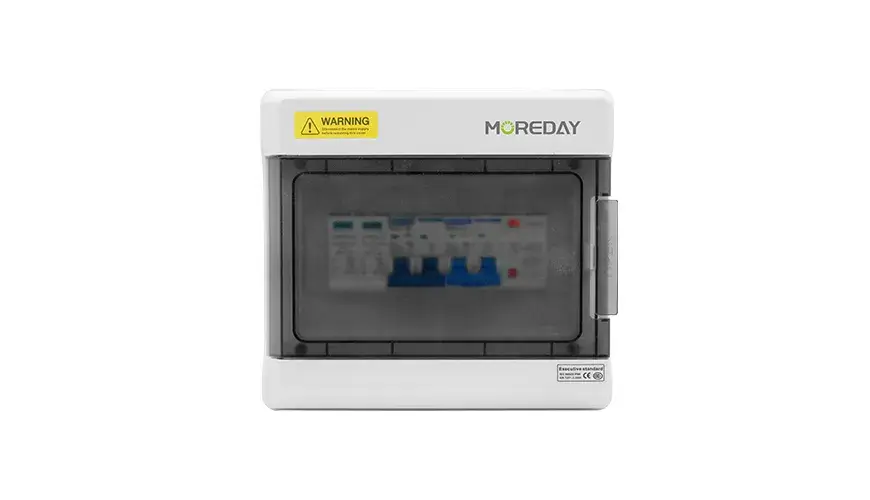
A single-phase DB Box is designed for electrical systems supplied by a single-phase distribution arrangement.
These are commonly used in:
- Residential buildings
- Small offices
- Retail spaces
- Small commercial installations
The number and rating of outgoing circuits depend on the electrical load and design requirements.
Three-Phase DB Box
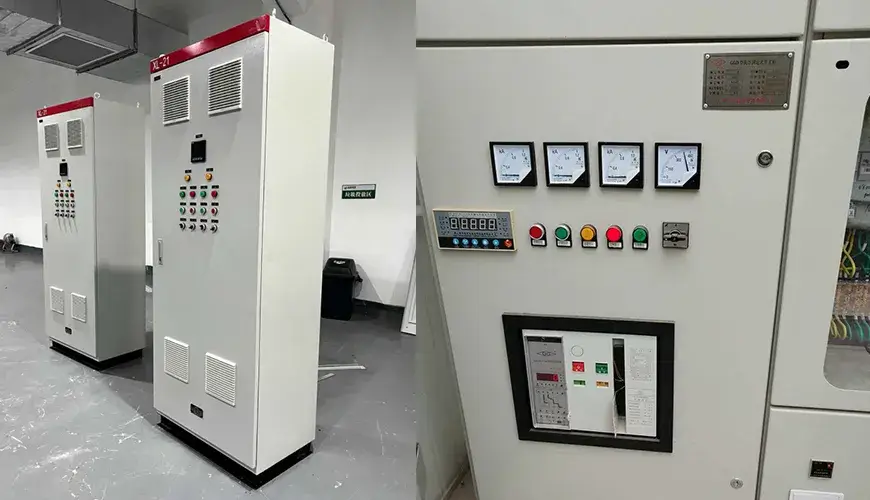
A three-phase DB Box is designed for systems supplied by three-phase power.
Three-phase distribution is commonly used in:
- Commercial buildings
- Industrial facilities
- Workshops
- Larger electrical installations
- Equipment requiring three-phase power
The internal arrangement and protective devices must be selected according to the system configuration and applicable electrical standards.
Indoor DB Box
Indoor DB Boxes are designed for installation in relatively controlled environments.
Depending on the enclosure design, they may use materials such as:
- Powder-coated steel
- Stainless steel
- ABS or other engineering plastics
- Other suitable enclosure materials
The required enclosure protection should be determined by the installation environment.
Outdoor and Weatherproof DB Box
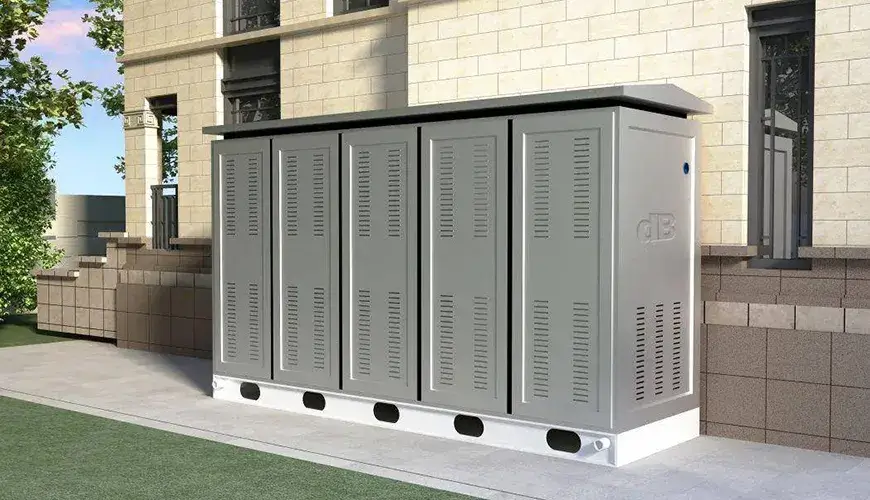
Outdoor DB Boxes are designed for environments where the enclosure may be exposed to moisture, dust, sunlight, temperature changes, or other environmental conditions.
When selecting an outdoor DB Box, consider:
- IP rating
- UV resistance
- Corrosion resistance
- Operating temperature
- Mechanical protection
- Cable-entry arrangement
The required IP rating should be selected according to the actual installation environment rather than assuming that every outdoor installation requires the same rating.
Surface-Mounted DB Box
A surface-mounted DB Box is installed directly onto a wall or other suitable mounting surface.
This configuration can be useful when:
- Existing walls cannot accommodate a recessed enclosure
- Easy access is important
- Installation space is limited
- The electrical installation uses surface-mounted equipment
Smart Distribution Boxes
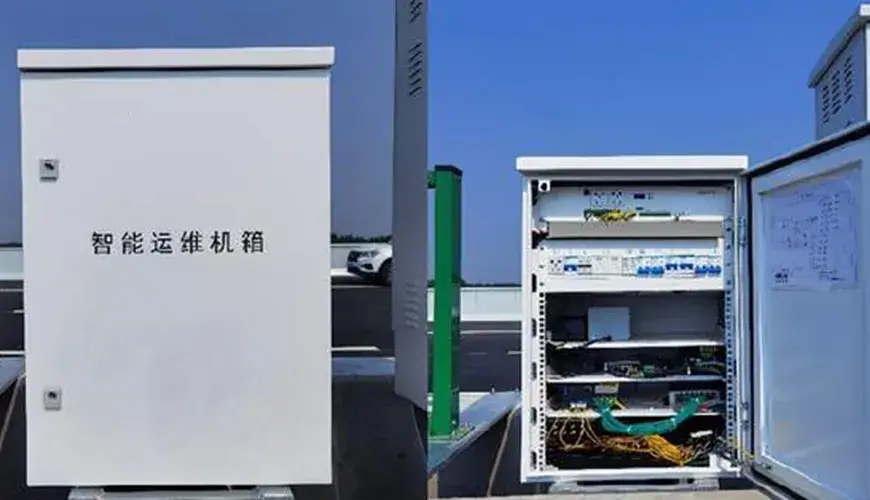
As electrical systems become more integrated with modern technology, smart distribution boxes are starting to make waves. These innovative boxes are equipped with sensors and advanced monitoring tools that can provide real-time data about power consumption, circuit health, and even predictive maintenance.
In industries that require high uptime, like IT infrastructure or manufacturing, a smart DB Box can offer insights that help prevent costly downtime. With features like remote monitoring and automated load balancing, smart DB Boxes can significantly enhance the efficiency and safety of your electrical system.
Materials and Design Requirements for DB Boxes
Now that we’ve covered the types of DB Boxes, let’s talk about what makes a good DB Box. Material selection and design play a huge role in ensuring safety, longevity, and performance.
Common Materials for DB Boxes
DB Boxes are typically made from one of the following materials:
- Steel: Steel is the most common material for heavy-duty DB Boxes. It’s strong, durable, and can withstand the weight and stress of high-voltage systems. Steel is also highly resistant to impact and corrosion, which makes it a great choice for industrial and outdoor installations.
- Aluminum: For lighter applications, aluminum is often used. It’s lighter than steel but still offers good protection against corrosion and environmental factors. Aluminum DB Boxes are a good option for residential or light commercial installations.
- Plastic: When it comes to indoor or low-voltage systems, plastic DB Boxes are often the preferred choice. Plastic is lightweight, cost-effective, and resistant to rust. However, it’s important to ensure that the plastic used can handle the specific load and environment of your electrical system.
Design and Protection Features
A DB Box is not just a box—it’s a safety mechanism. A well-designed DB Box needs to meet several protection requirements:
- IP Rating (Ingress Protection): This refers to how well the DB Box can protect its contents from dust, water, and other environmental elements. Boxes used outdoors or in harsher environments need higher IP ratings, such as IP65 (dust-tight and protected from water jets).
- Fire Resistance: Fire safety is critical in any electrical system. Many DB Boxes are designed with fire-resistant materials to prevent the spread of flames in case of a malfunction or short circuit.
- Corrosion Resistance: Whether in coastal areas with salty air or in industrial environments with harsh chemicals, a DB Box needs to resist corrosion. Look for boxes made from materials with high corrosion resistance or those with special coatings.
- Load and Size Considerations: The size and internal layout of a DB Box depend on the system it will be part of. It should provide enough space to house all necessary components like circuit breakers, fuses, and wires without overcrowding.
How to Install and Maintain a DB Box
Now that we’ve got the basics down, let’s talk about how to actually get your DB Box installed and keep it in tip-top shape.
Installation Process
Installing a DB Box requires some expertise. For your safety, it’s best to hire a certified electrician, but here’s a general overview of what’s involved:
- Location: First, you need to choose the right spot. The DB Box should be easily accessible for maintenance but away from high-traffic areas or potential hazards.
- Mounting: The box should be securely mounted to a wall or other surface, ensuring it won’t budge under pressure.
- Wiring: Next, the electrical cables will be connected to the incoming power source (like the main distribution panel) and the outgoing circuits.
- Circuit Breakers and Fuses: Finally, the appropriate circuit breakers or fuses will be installed inside the DB Box, protecting each circuit from overload or short circuit.
Regular Maintenance and Checks
Once your DB Box is up and running, regular maintenance is key to ensuring it stays in good working order. This includes:
- Visual Inspections: Check the box periodically for signs of wear, damage, or corrosion.
- Cleaning: Dust and debris can build up, so it’s important to clean the box regularly to prevent blockages or overheating.
- Testing: Run tests on the circuit breakers and fuses to ensure they’re working as expected.
Why DB Boxes Are Critical for Electrical Safety
When it comes to electrical systems, safety is paramount, and that’s where the DB Box truly shines. Think of it as a security guard for your electrical circuits—monitoring, protecting, and managing the flow of electricity to ensure everything operates smoothly without any surprises.
Circuit Protection and Overload Prevention
One of the main functions of a DB Box is to prevent electrical overloads and short circuits, which can lead to dangerous situations like fires, electrical shocks, or equipment damage. Inside the DB Box, circuit breakers (or fuses) are installed to automatically disconnect power if a circuit becomes overloaded.
These protective devices are like safety valves in a car engine—they prevent things from getting too hot or dangerous. If too much power tries to flow through a circuit, the breaker trips and cuts off the power, protecting both the electrical system and anyone in the building. This means that in the event of a malfunction or fault, your DB Box acts as a first line of defense.
Surge Protection
Another crucial function of the DB Box is surge protection. Electrical surges (often caused by lightning strikes, faulty equipment, or power outages) can cause significant damage to sensitive equipment. A DB Box with surge protection can absorb these spikes in voltage, preventing them from reaching your circuits and appliances.
Think of it like a lightning rod for your home or facility. The surge protector in the DB Box diverts excess energy safely, keeping your electrical system intact.
Fire Safety
In high-voltage systems, even the smallest electrical fault can lead to fire hazards. A well-designed DB Box incorporates fire-resistant materials and safety mechanisms to minimize the risk of fire. These materials help ensure that any internal sparks or overheating don’t spread, providing an extra layer of protection for both the equipment and the people nearby. It can also be paired with an aerosol fire suppression device to suppress the fire at its source.
How to Choose the Right DB Box
Choosing the right DB Box can seem like a daunting task, but with the right information, it’s actually pretty straightforward. Here are some things you should consider to make sure you pick the best box for your electrical system.
1. Electrical Load Requirements
The first thing to determine is the load or amount of electricity your system will be handling. Will you be powering a small residential home, or are you setting up an industrial facility with multiple machines and equipment?
- For residential homes or small businesses, a low-voltage DB Box is usually sufficient.
- For larger facilities or industrial applications, a high-voltage DB Box will be necessary to handle the increased load.
If you’re unsure about the power requirements, consult with an electrician to calculate the total wattage your system will need to support.
2. Environment and Location
Where will the DB Box be installed? If it’s outdoors or in a damp, humid, or corrosive environment, you’ll need a weather-resistant and corrosion-resistant box. Outdoor boxes need to be able to withstand rain, snow, dust, and extreme temperatures.
On the other hand, if the box is to be installed indoors in a clean and controlled environment, a plastic DB Box may be sufficient. However, ensure it still meets the necessary protection standards (like an IP rating) for added safety.
3. Safety Standards and Certifications
Always check for proper safety certifications before purchasing a DB Box. These certifications ensure the box meets safety and quality standards. Look for CE, IEC, or UL marks, which guarantee that the product complies with international safety regulations.
4. Size and Space
Make sure the DB Box is large enough to accommodate all the necessary components, such as circuit breakers, fuses, and wires. A crowded box can lead to overheating, poor performance, or even safety hazards.
It’s also important to leave some extra space for future upgrades or additions to your electrical system. After all, electrical systems often grow over time, and you don’t want to be caught short if your needs change.
The Benefits of Choosing MOREDAY DB Boxes
As a professional DB Box manufacturer, MOREDAY understands the importance of quality, reliability, and safety. Here’s why choosing MOREDAY’s DB Boxes is a smart decision for your electrical systems:
1. High-Quality Materials
We use only the best materials—steel, aluminum, and plastic—to manufacture our DB Boxes. This ensures durability, corrosion resistance, and long-lasting performance, no matter the application.
2. Customized Solutions
Every electrical system has its own set of requirements. Whether you’re working on a small residential project or a large-scale industrial setup, MOREDAY offers OEM/ODM solutions to customize DB Boxes to your exact specifications. Need extra protection? More space for components? We’ve got you covered.
3. International Standards
All of our DB Boxes are manufactured according to international safety standards like CE and IEC certifications. This means that our boxes have been thoroughly tested and comply with the highest industry standards for performance and safety.
4. Advanced Features
MOREDAY is at the forefront of innovation. Our DB Boxes feature surge protection, fire-resistant materials, and smart technology for real-time monitoring. These advanced features not only enhance the safety and reliability of your electrical system but also help you manage it more efficiently.
5. Cost-Effective
We understand that cost is always a consideration, especially for large projects. That’s why we offer competitive pricing without compromising on quality. With MOREDAY, you get value for money, ensuring your electrical system stays safe and efficient while staying within budget.
Conclusion
Choosing the right Electrical Distribution Box is crucial for the safety and efficiency of any electrical system. Whether you’re working on a residential, commercial, or industrial project, understanding your needs and selecting the right box will make all the difference. From low-voltage to high-voltage systems, from indoor to outdoor installations, there’s a perfect DB Box for every scenario.
At MOREDAY, we offer a wide range of high-quality, certified DB Boxes designed to meet the highest safety standards and provide long-lasting protection. Our boxes are customizable to fit your exact needs, and with features like surge protection, fire resistance, and smart monitoring, you can rest assured that your electrical system is in safe hands.
FAQs
- What is the lifespan of a DB Box?
- The lifespan of a DB Box can range from 15 to 30 years, depending on factors like material quality, environmental conditions, and regular maintenance.
- Can I install a DB Box myself?
- While you can install a DB Box yourself, it’s highly recommended to hire a licensed electrician for safety and compliance with electrical codes.
- How can I tell if my DB Box is overloaded?
- Frequent tripping of circuit breakers, excessive heat around the box, or flickering lights are signs of overload. Have it checked by a professional.
- Are MOREDAY DB Boxes suitable for both residential and industrial use?
- Yes! MOREDAY offers a variety of DB Boxes that are perfect for both residential and industrial applications, with options for customization.
- Why choose MOREDAY for DB Boxes?
- MOREDAY provides high-quality, customizable, and certified DB Boxes that meet international safety standards, ensuring your system is safe, efficient, and cost-effective.