
Energy Storage
When it comes to backup power, many people face the same question:
Should you choose a portable power station or a traditional generator?
Both provide electricity when you need it—but they differ significantly in how they work, where they’re used, and what they cost over time.
This guide breaks down the real differences to help you choose the right solution for your needs.
If you’re new to portable systems, start here:
What Is a Portable Power Station and How Does It Work?
What Is the Difference?
The core difference lies in how power is generated:
- Portable Power Station: stores electricity in a battery and delivers it on demand
- Generator: produces electricity by burning fuel (gasoline, diesel, or propane)
👉 One is energy storage, the other is energy generation
Key Comparison: Portable Power Station vs Generator
| Feature | Portable Power Station | Generator |
|---|---|---|
| Power Source | Battery (rechargeable) | Fuel (gas/diesel) |
| Noise Level | Silent / very quiet | Loud |
| Emissions | None | Produces fumes |
| Indoor Use | Safe | Not safe |
| Maintenance | Minimal | Regular required |
| Startup | Instant | Manual / pull start |
| Running Cost | Low | Ongoing fuel cost |
When a Portable Power Station Is the Better Choice
1. Indoor and Home Backup
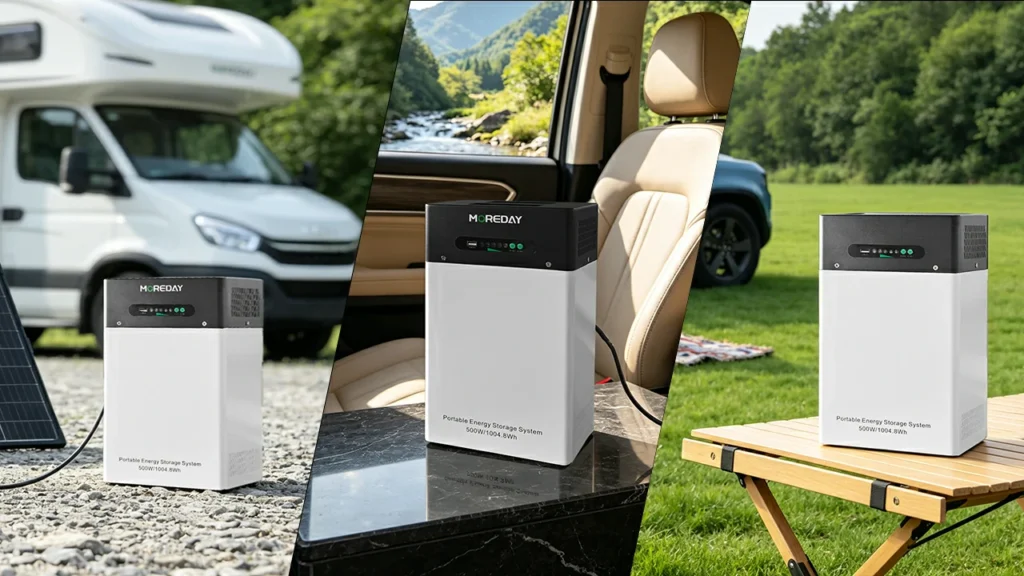
Portable power stations are safe to use indoors because they:
- Do not emit carbon monoxide
- Do not require ventilation
- Operate quietly
This makes them ideal for:
- Apartments
- Emergency outages
- Medical devices
2. Outdoor and Mobile Use
Perfect for:
- Camping
- RV trips
- Field work
They are lightweight, portable, and easy to recharge—especially with solar panels.
3. Low Maintenance & Convenience
No fuel storage, no engine maintenance, and no startup complexity.
👉 Just plug and use.
When a Generator Is the Better Choice
Generators still have advantages in certain situations:
1. High Power Demand
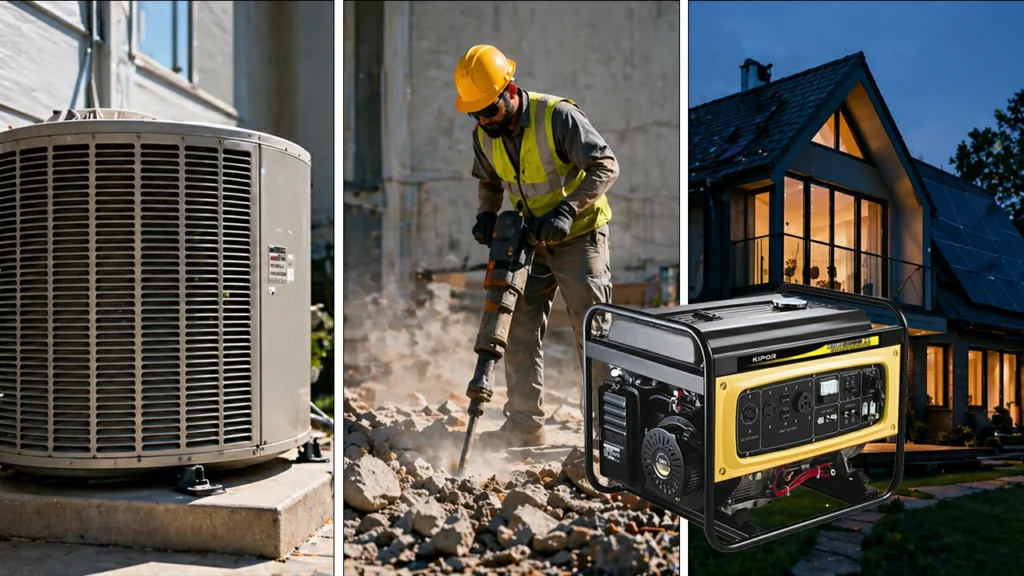
For heavy-duty equipment such as:
- Large air conditioners
- Industrial tools
- Whole-house backup
Generators can deliver higher continuous output.
2. Long Runtime with Fuel Supply
As long as fuel is available, generators can run continuously—making them suitable for extended outages.
Cost Comparison: Which Is More Economical?
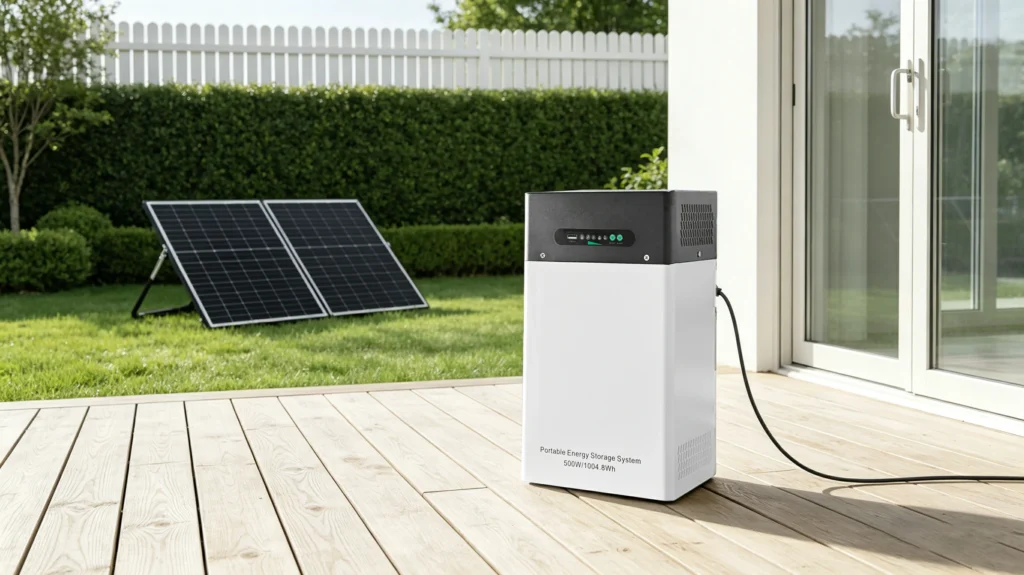
Portable Power Station
- Higher upfront cost
- Minimal operating cost
- Rechargeable (especially with solar)
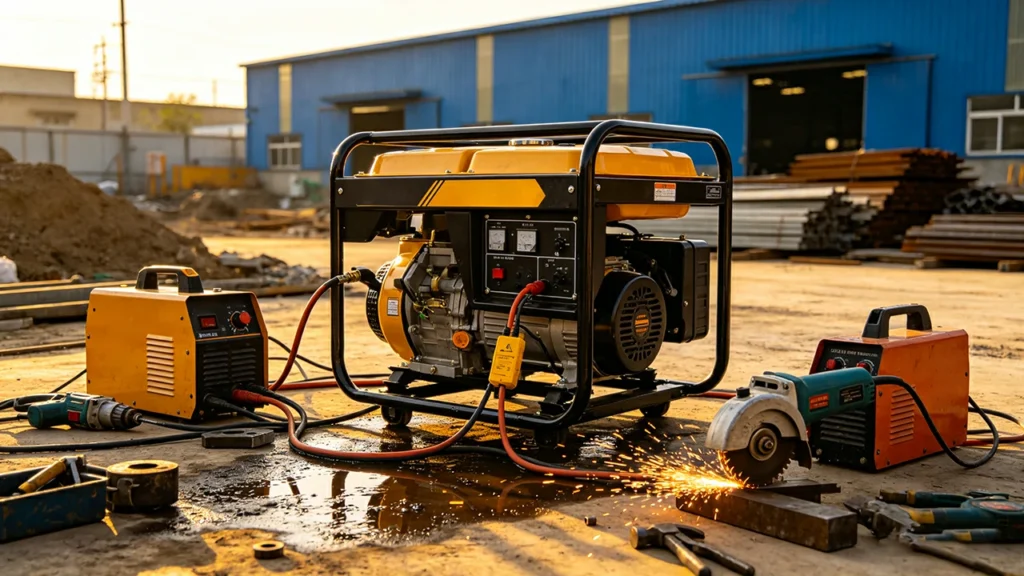
Generator
- Lower initial price
- Continuous fuel expenses
- Maintenance costs over time
👉 Over the long term, portable power stations can be more cost-efficient for frequent or moderate use.
Environmental Impact
Portable power stations:
- Zero emissions
- Compatible with solar energy
- Sustainable energy solution
Generators:
- Produce exhaust gases
- Depend on fossil fuels
👉 Increasingly important for modern users and regulations.
Real-World Decision Guide
Choose a Portable Power Station if you need:
- Quiet operation
- Indoor safety
- Portable and clean energy
- Low maintenance
Choose a Generator if you need:
- Very high power output
- Continuous operation for long periods
- Industrial or heavy-duty use
Can You Use Both Together?
Yes—many users combine both:
- Portable power station for daily or indoor use
- Generator as backup for high-demand situations
This hybrid approach offers flexibility and reliability.
Common Mistakes When Choosing
- Choosing a generator for indoor use (unsafe)
- Underestimating power needs
- Ignoring long-term fuel costs
- Overlooking noise restrictions
Avoiding these mistakes ensures better performance and safety.
Conclusion
Portable power stations and generators serve similar purposes, but they are designed for different scenarios.
If you value quiet operation, safety, and convenience, a portable power station is often the better choice.
If you need maximum power and long continuous runtime, a generator may still be suitable.
Understanding your actual usage needs is the key to making the right decision.
👉 Explore our portable power station solutions designed for modern, efficient, and reliable energy use.
FAQ
What is a Portable Power Station?
A portable power station is a compact, battery-based energy storage system designed to provide electricity on demand. Unlike traditional fuel-powered generators, it stores electrical energy in rechargeable batteries and delivers clean, stable power through various output interfaces. Typically utilizing ternary lithium or lithium iron phosphate as the storage medium, these units feature individual capacities exceeding 100Wh.
What can I Power with a Portable Power Station?
From smartphones to refrigerators, portable power stations can support a wide range of devices depending on capacity and output.
👉 See detailed examples here:
What Can a Portable Power Station Power?
Is it Better than a Generator?
Yes, it is the superior choice—whether in terms of economy, environmental friendliness, or comfort.