
Energy Storage
If you’re considering a portable power station, you’re likely asking one key question:
What can it actually power—and is it worth it?
In this guide, we break down not just what a portable power station is, but how it works in real scenarios, what matters when choosing one, and how to avoid common buying mistakes.
What Is a Portable Power Station?
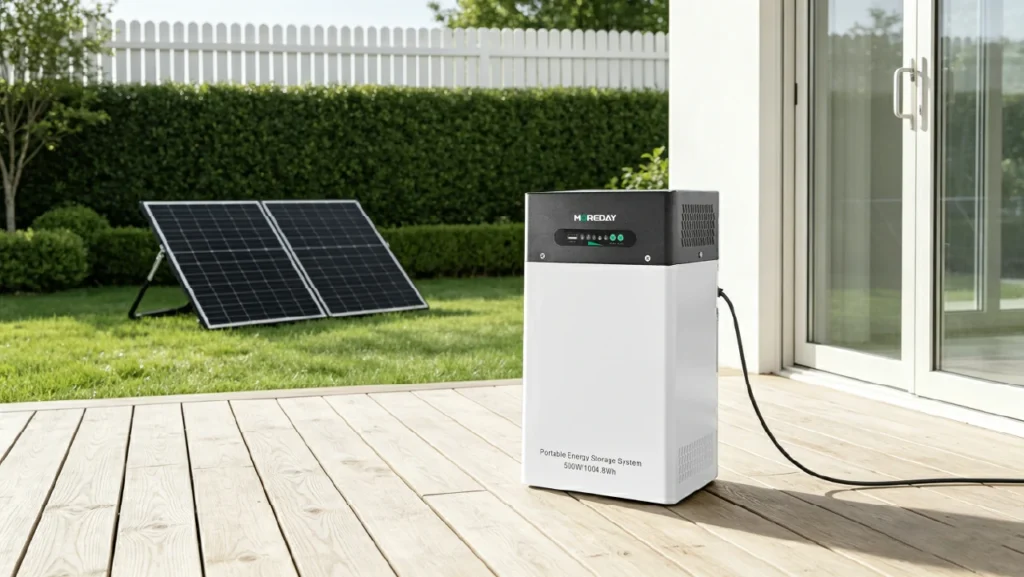
A portable power station is a compact, battery-based energy storage system designed to provide electricity on demand. Unlike traditional fuel-powered generators, it stores electrical energy in rechargeable batteries and delivers clean, stable power through various output interfaces. Typically utilizing ternary lithium or lithium iron phosphate as the storage medium, these units feature individual capacities exceeding 100Wh.
They are widely utilized in backup power systems, outdoor energy supply, mobile workstations, and entry-level home energy storage applications.
The Evolution of Technology
The performance of early portable power supplies was constrained by the limitations of battery technology and inverter efficiency.
The Transition to Lithium Battery Technology
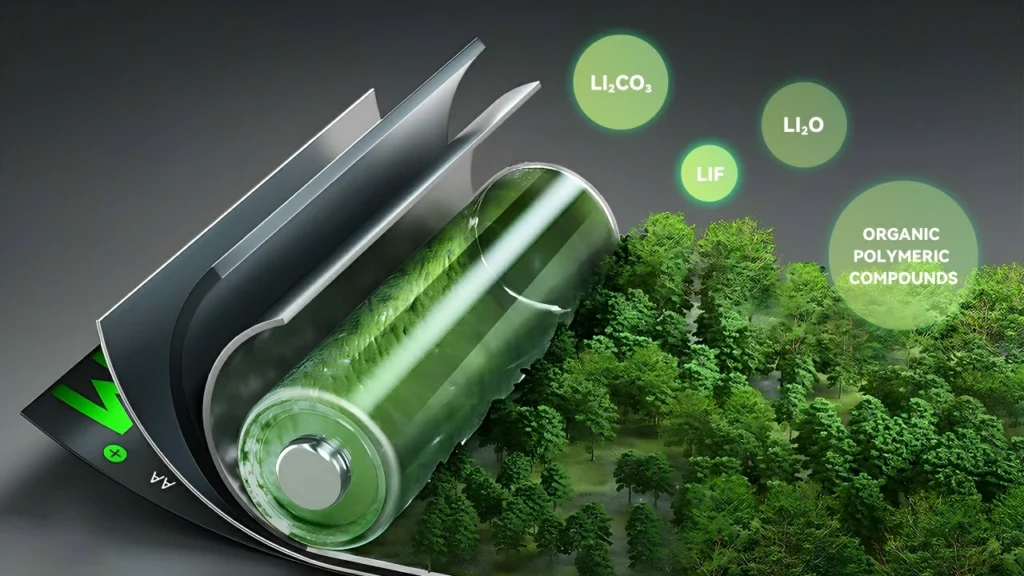
Most systems have transitioned to using lithium iron phosphate (LiFePO4/LFP) batteries to replace traditional lithium-ion batteries. This shift has extended the battery cycle life from 500–1,000 cycles to over 2,000–3,000 cycles—with certain models (such as the MD-BXS) even exceeding 3,000 cycles. Furthermore, lithium iron phosphate batteries offer additional advantages, including exceptional thermal stability and high energy density.
Today, the capacity of portable power devices typically ranges from 1 kWh to 2 kWh. This makes them robust enough to handle genuine emergency backup scenarios, moving beyond their previous limitations of merely charging mobile phones or providing lighting.
Intelligent Power Management
Advanced Battery Management Systems (BMS) now integrate a comprehensive suite of features, including overcharge and over-discharge protection, temperature control, cell balancing, real-time status monitoring, and smartphone app connectivity.
How Does a Portable Power Station Work?
- Energy Input: AC mains power, solar panels, generators, or in-vehicle charging.
- Energy Storage: Electrical energy is stored within built-in battery cells, typically utilizing lithium-based battery technology.
- Energy Output: An internal inverter converts DC power into AC power—regulated to the required frequency—to power standard electrical appliances; additionally, DC ports and USB ports are available to directly power smaller devices.
This integrated system enables users to simultaneously power multiple devices with stable voltage and frequency.
Looking for a reliable 1kWh–2kWh solution for real-world use?
Explore our portable power stations designed for outdoor, backup, and professional applications.
Core Components of a Portable Power Station
Understanding its internal structure helps distinguish high-quality products from lower-end alternatives:
Battery Pack
The battery pack acts like a factory’s warehouse; it determines the power supply’s total capacity (typically measured in watt-hours) and its overall lifespan. Most units utilize lithium-ion or lithium-polymer cells, characterized by their high energy density, long cycle life, and high reliability.
Inverter
This component converts Direct Current (DC) into Alternating Current (AC) to power home appliances and digital devices. It also regulates DC voltage to accommodate USB and vehicle-based power requirements, serving as a critical component that determines the unit’s output capability.
Typically evaluated in Watts, the inverter dictates the portable power station’s maximum output power. A higher-wattage inverter signifies the ability to handle heavier loads and power-hungry appliances. Inverters are usually paired with battery packs based on the latter’s capacity.
Different Types: Pure Sine Wave output signifies a clean output waveform that closely matches standard utility power; this allows it to drive most loads and precision instruments. Modified Sine Wave inverters, conversely, may cause connected devices to overheat, generate noise, operate with reduced efficiency, or fail to function entirely.
BMS (Battery Management System / Charge Controller)
This system monitors and manages the health of the battery pack, providing protection against overcharging, over-discharging, overcurrents, short circuits, overheating, and undervoltage conditions.
During charging, the BMS regulates the incoming current to optimize the charging rate, preventing overcharging or overheating to extend battery lifespan and mitigate safety risks.
During discharging, it limits the current flow to prevent excessive current draw or deep discharge conditions.
Output Interface System
Comprising all ports and control circuitry responsible for supplying power to external devices:
AC Outlets: Standard utility-style power sockets and AC power strips.
USB Ports: USB-A, USB-C/Type-C (supporting PD/QC fast charging), 12V Car Cigarette Lighter Sockets, and DC Barrel Jacks.
Additional Features: Load detection, output on/off switches, and overload shutdown protection.
Structure and Cooling System:
The design incorporates efficient airflow channels within a compact footprint to facilitate heat dissipation and prevent overheating. Consequently, the housing—manufactured to industrial standards—is constructed from durable or fire-retardant plastics and metals to ensure exceptional durability and impact resistance.
Smart / Auxiliary Modules:
Display Screen / Digital Panel: View remaining battery capacity, output power, battery status, voltage, etc.
Control Buttons: Power On/Off, Lighting Control, AC Enable/Disable, Energy-Saving Mode
Additional Features: Bluetooth / App Connectivity, UPS Seamless Switching, Silent Mode
How do you charge a Portable Power Station?
Charging a portable power station is very simple. Most models can be recharged using a wall outlet, a car charger, or solar panels, offering you the flexibility to choose a charging method no matter where you are. Depending on the input power and battery capacity, a full charge typically takes between 3 and 7 hours.
How long can a Portable Power Station be used?
Two factors determine the lifespan and durability of a portable power station: battery cycle life and daily usage habits.
Battery Cycle Life
A battery’s lifespan varies depending on its specific materials, structural design, and manufacturer.
- Lithium Iron Phosphate (LFP): Offers a cycle life of 2,000 to 4,000+ cycles; features a stable and durable structure.
- Ternary Lithium (NCM): Offers a cycle life of 800 to 1,200 cycles; while chemically highly active, it also experiences faster degradation.
- Generic, low-quality battery cells—or lithium batteries salvaged from dismantled devices—typically see their lifespan cut in half.
Daily Usage Habits
Simply put, this refers to the amount of power you consume during each usage cycle. This concept is technically referred to as “Depth of Discharge” (DOD).
- Shallow Charging/Discharging (consuming only 30%–60% of capacity per cycle): This practice effectively doubles the battery’s lifespan.
- Deep Discharging (continuing to use the device when the charge level drops below 20%, or even down to 0%): This behavior causes the most significant damage to the battery. While some blogs suggest that occasional full charge-discharge cycles are necessary, this is primarily because many smart devices require calibration of their battery monitoring systems; it has no beneficial effect on the battery itself.
- Extended Periods of Inactivity (more than 30 days without charging or discharging): The battery enters a “sleep” or dormant state, during which its internal materials undergo natural aging, further influenced by ambient temperature and storage conditions.
How to Choose the Right Portable Power Station?
1. Capacity (kWh)
- 0.5–1 kWh → Suitable for light outdoor use; ideal for camping and short trips.
- 1–2 kWh → Most popular choice (balanced utility); convenient for portability and temporary backup power.
- 2 kWh and above → Suitable for use as a dedicated backup power supply.
2. Output Power (W)
- High-power appliances → Ensures appliances operate smoothly and reliably.
- Simultaneous device usage → Easily handles heavier loads when multiple devices are connected at once.
3. Battery Type
- Extended Lifespan → Standard lithium-ion batteries typically begin to degrade after 1,000–2,000 cycles; Lithium Iron Phosphate (LFP) batteries generally last 2,000–4,000+ cycles, offering a practical daily service life of 8–10 years when used according to instructions.
- Enhanced Safety → Lithium Iron Phosphate chemistry offers superior stability and safety.
4. Charging Flexibility
- Supports solar charging
- Supports AC fast charging
- Supports in-vehicle charging
5. Expandability
- External battery pack expansion
- Hybrid solar integration
Choosing the right generator with Reliant
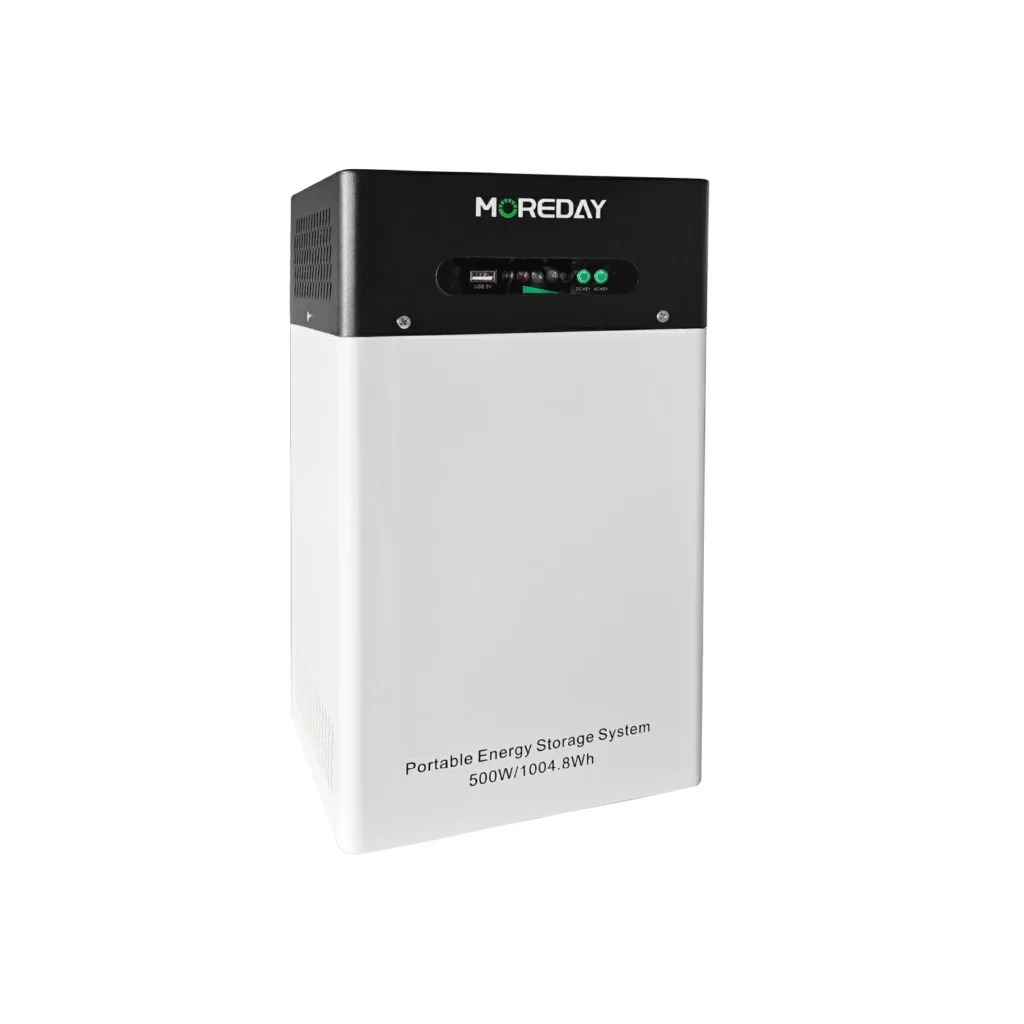
At MOREDAY, we understand the importance of reliable backup power solutions for your home. Solar generator alternative.
Find the right home generator for you
Portable Power Station vs Generator
| Feature | Portable Power Station | Gas Generator |
|---|---|---|
| Energy Source | Battery | Fuel |
| Noise | Silent | Loud |
| Emissions | None | Yes |
| Maintenance | Minimal | High |
| Indoor Use | Safe | Not allowed |
Industry Trends You Should Know
Trend 1: From Backup → Daily Energy Tool
Users are no longer using these only in emergencies.
Trend 2: Integration with Solar Systems
Portable units are becoming part of home PV ecosystems
Trend 3: Modular Energy Storage
Future systems will allow stacking and expansion
Trend 4: B2B Demand Increasing
Contractors, installers, and field teams are major buyers
Conclusion
Portable power stations have evolved into versatile, reliable, and indispensable energy solutions. Driven by continuous advancements in battery technology and system integration, their applications today are remarkably diverse—spanning outdoor recreation, emergency backup power, and entry-level home energy storage needs.
Whether you’re sourcing for distribution, projects, or personal use, choosing the right portable power station starts with understanding real-world needs.
Contact us or explore our latest models to find the best fit for your application.
FAQ
What is the Best Portable Power Station?
There is no single “best” option—it depends on your application, required capacity, and output power.
👉 Read our full guide:
How to Choose the Best Portable Power Station
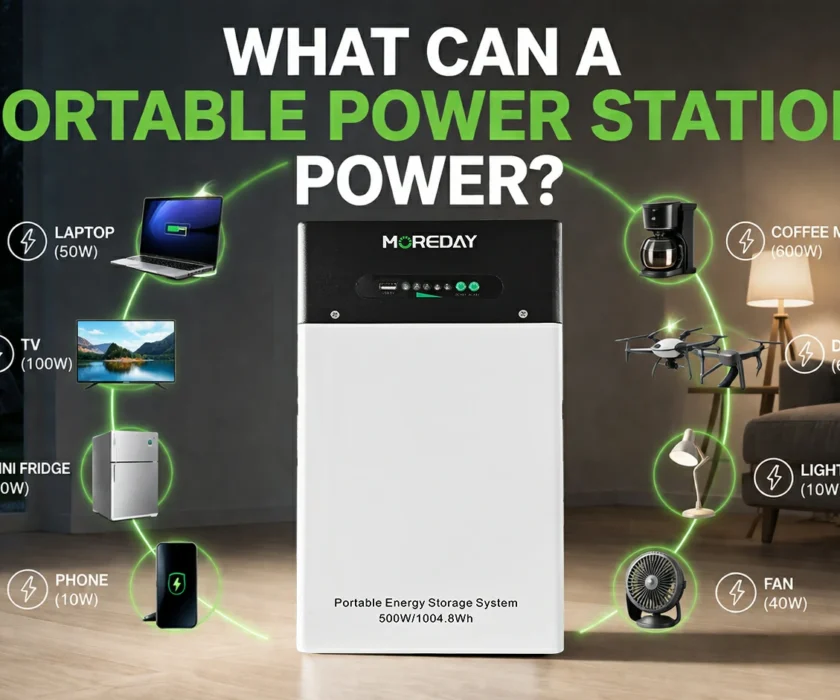
What can I Power with a Portable Power Station?
From smartphones to refrigerators, portable power stations can support a wide range of devices depending on capacity and output.
👉 See detailed examples here:
What Can a Portable Power Station Power?
Is it Better than a Generator?
Yes, it is the superior choice—whether in terms of economy, environmental friendliness, or comfort.
👉 See detailed examples here:
Portable Power Station vs Generator: Which One Should You Choose?